
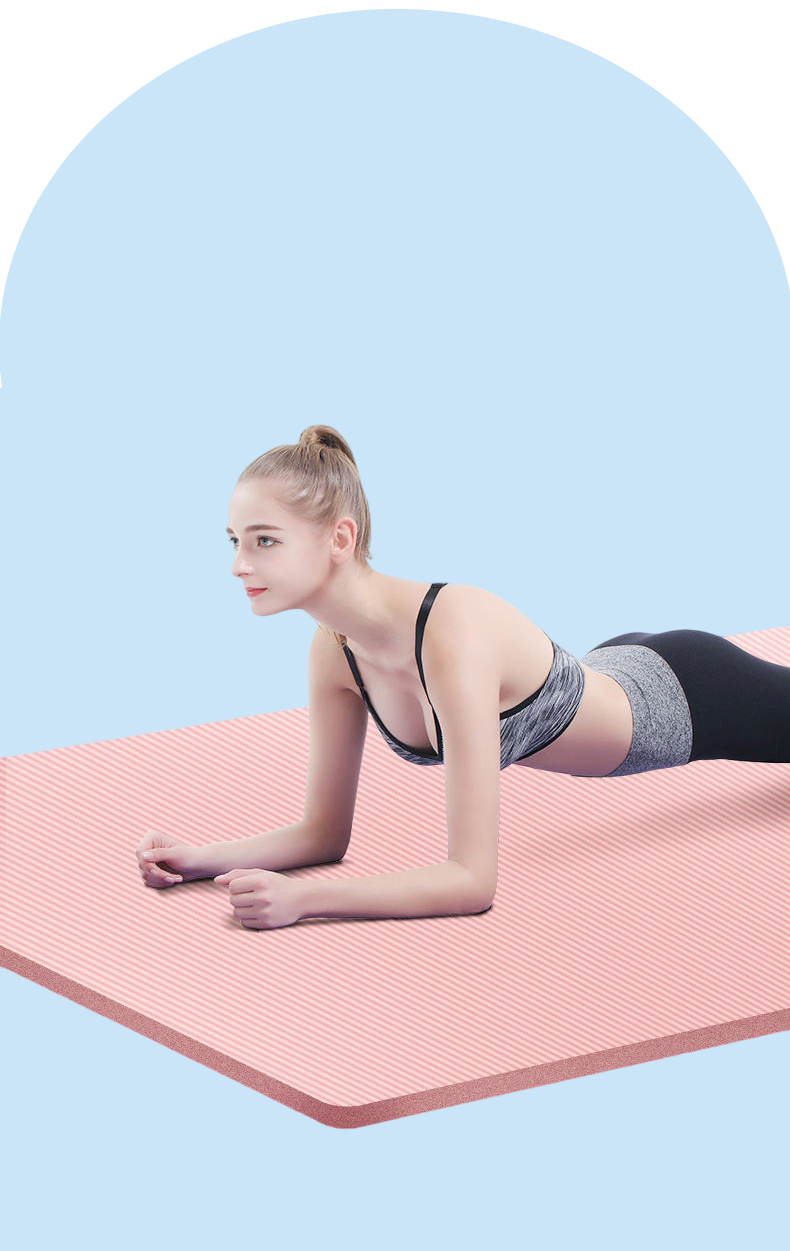
Want to start Pilates but don’t know where to begin? The good news is that Pilates is easy to practice at home, even if you’ve never tried it before. You don’t need a Pilates studio or an extensive collection of equipment. With a comfortable mat, a little space, and a consistent routine, you can build your Pilates practice step by step.
In this guide, we’ll explain how to start Pilates at home, what equipment you actually need, which exercises to learn first, and how to progress from beginner to more advanced Pilates workouts.
What Is Pilates?
Pilates is a form of mindful exercise focused on core strength, controlled movement, posture, balance, flexibility, and body awareness.
Unlike workouts that rely mainly on speed or heavy resistance, Pilates emphasizes precision and control. You learn to coordinate your breathing with your movements while keeping your body aligned.
Pilates can be practiced using just your body weight or with equipment such as a Pilates mat, resistance bands, Pilates rings, and small exercise balls.
Can You Start Pilates at Home as a Beginner?
Absolutely.
One of the advantages of Pilates is that exercises can be modified to suit different fitness levels. You can begin with simple movements and gradually increase the difficulty as you become stronger and more comfortable.
If you are completely new to Pilates, your first goal shouldn’t be mastering advanced exercises. Instead, focus on learning the fundamentals:
- Proper breathing
- Core engagement
- Neutral spine and alignment
- Controlled movement
- Balance and stability
- Mind-body connection
Once these foundations become familiar, progressing becomes much easier.
How to Start Pilates at Home: Step by Step
Step 1: Create Your Pilates Space
You don’t need a dedicated home gym.
A small, quiet area where you can comfortably lie down and extend your arms and legs is usually enough.
Ideally, choose a space with:
- Enough room to move freely
- A stable, non-slip surface
- Good ventilation
- Comfortable temperature
- Easy access to your Pilates equipment
Creating a dedicated workout corner can also make it easier to stay consistent.
Step 2: Get the Right Pilates Equipment
You can start Pilates with very little equipment.
Pilates Mat
A good Pilates mat is the first item worth investing in. Compared with a thin yoga mat, a Pilates mat is often designed with extra cushioning for floor-based movements.
Look for a mat that is:
- Comfortable
- Non-slip
- Supportive
- Easy to clean
- Thick enough to protect your spine and joints
Resistance Bands
Resistance bands are a simple way to add challenge to your Pilates routine.
You can use them for exercises targeting your legs, glutes, arms, and core. They are also lightweight and easy to store, making them ideal for home workouts.
Pilates Ring
A Pilates ring, sometimes called a magic circle, can add resistance to familiar Pilates exercises.
It can be especially useful for targeting the inner and outer thighs, arms, and core.
Pilates Ball
A small Pilates ball can introduce instability and encourage greater awareness of your core and alignment.
You don’t need all of these accessories when you’re starting. A good mat is enough to begin.
Step 3: Learn the Pilates Fundamentals
Before jumping into advanced exercises, spend time learning the basics.
Breathing
Breathing is an important part of Pilates.
Try to breathe steadily instead of holding your breath. Inhale to prepare for a movement and exhale as you engage your core and perform the more demanding part of the exercise.
Core Engagement
Your core isn’t just your abdominal muscles. It includes muscles that help stabilize your pelvis, spine, and torso.
Instead of pulling your stomach in as hard as possible, think about gently engaging your abdominal muscles while continuing to breathe normally.
Alignment
Good alignment helps you perform Pilates exercises with greater control.
Pay attention to the position of your head, shoulders, spine, pelvis, knees, and feet.
Control
One of the biggest Pilates principles is quality over quantity.
Ten slow, controlled repetitions can be more useful than thirty rushed ones.
Beginner Pilates Exercises to Try at Home
Once you’re comfortable with the fundamentals, start with simple exercises.
1. Pelvic Tilts
Lie on your back with your knees bent and feet on the mat.
Gently tilt your pelvis so that your lower back moves toward the mat, then return to your starting position.
This is a simple way to become more aware of your pelvis and abdominal muscles.
2. Glute Bridges
From the same position, press your feet into the mat and slowly lift your hips.
Pause briefly at the top before lowering your spine back down.
Glute bridges work your glutes and posterior chain while encouraging pelvic control.
3. Toe Taps
Lie on your back and bring your legs into a tabletop position if comfortable.
Slowly lower one foot toward the floor and bring it back up. Alternate legs while keeping your core engaged.
If your back begins to arch, reduce the range of motion.
4. Bird Dog
Start on your hands and knees.
Extend one arm and the opposite leg while keeping your torso stable. Return to the starting position and switch sides.
This exercise challenges your balance, coordination, and core stability.
5. Side-Lying Leg Lifts
Lie on your side with your legs extended.
Lift the top leg slowly and lower it with control. Repeat before switching sides.
Keep your hips stacked throughout the movement.
How Long Should a Beginner Pilates Workout Be?
You don’t need to spend an hour exercising.
If you’re new to Pilates, 10–20 minutes can be a great starting point. As your strength and confidence improve, you can gradually increase your workout duration.
For example:
- Beginner: 10–20 minutes, 2–3 times per week
- Intermediate: 20–30 minutes, 3–4 times per week
- Advanced: 30–45+ minutes, depending on your goals and training schedule
Consistency is more important than doing long workouts occasionally.
From Beginner to Intermediate Pilates
After you’ve practiced the fundamentals regularly, you can begin making your workouts more challenging.
Try introducing:
- Longer holds
- More repetitions
- Resistance bands
- Pilates rings
- Pilates balls
- More complex movement combinations
- Single-leg variations
- Balance exercises
For example, you might progress from a basic glute bridge to single-leg bridge variations or add a resistance band around your thighs.
The goal is to increase the challenge without sacrificing technique.
How to Progress to Advanced Pilates
Advanced Pilates isn’t simply about performing the hardest exercises.
A strong Pilates practitioner has greater control, stability, coordination, mobility, and body awareness.
As you progress, you may explore more challenging exercises such as:
- Teaser variations
- Roll Over
- Advanced plank variations
- Leg Circles
- Swan variations
- Side Bend variations
- More advanced resistance exercises
Don’t rush to advanced movements. Build your foundation first and progress gradually.
If an exercise causes pain, stop and choose a suitable modification.
How Often Should You Do Pilates at Home?
A regular schedule can help you make Pilates part of your lifestyle.
For beginners, 2–3 Pilates workouts per week can be a practical starting point.
You can also incorporate short movement sessions on other days. For example, a 10-minute mobility or stretching session can complement your regular Pilates workouts.
As you become more experienced, you may choose to practice Pilates four or more times per week, depending on your overall training routine and recovery.
Common Mistakes When Starting Pilates at Home
Starting at home gives you flexibility, but there are a few common mistakes to avoid.
Trying to Progress Too Quickly
Advanced Pilates exercises can look impressive, but they require a strong foundation.
Master the basic movements before increasing the difficulty.
Focusing Only on Your Abs
Pilates is about the whole body.
Your workout should eventually incorporate your legs, glutes, arms, back, and stabilizing muscles—not just abdominal exercises.
Moving Too Fast
Slow down.
Controlled movement is one of the defining features of Pilates.
Ignoring Your Breathing
Don’t hold your breath when an exercise becomes difficult. Keep breathing steadily and use your exhale to help connect with your core.
Comparing Yourself to Others
Everyone starts somewhere.
Your Pilates practice should be about improving your own strength, control, and movement—not keeping up with someone else’s level.
How to Build a Pilates Routine at Home
A simple home Pilates routine might look like this:
Warm-up — 5 minutes
Gentle breathing, pelvic tilts, spinal mobility, and easy movement.
Core — 5–10 minutes
Toe taps, dead bug variations, or other beginner-friendly core exercises.
Lower body — 5–10 minutes
Glute bridges, side-lying leg lifts, and resistance-band exercises.
Full body — 5–10 minutes
Planks, bird dogs, and controlled Pilates combinations.
Cool-down — 5 minutes
Gentle stretches and breathing.
As you become more experienced, you can increase the duration and complexity of each section.
Make Pilates Part of Your Lifestyle
The best Pilates routine is one that you can actually maintain.
Instead of waiting for the perfect time or trying to complete an intense workout every day, start small.
Roll out your mat for 15 minutes in the morning. Take a short Pilates break during your workday. Or create a relaxing evening routine.
Over time, those small sessions can become a consistent practice.
Your Pilates-at-Home Starter Kit
If you’re wondering what you need to start Pilates at home, keep it simple:
Essential:
- Pilates mat
- Comfortable workout clothes
- Enough space to move
Optional:
- Resistance bands
- Pilates ring
- Pilates ball
- Ankle weights
- Other Pilates accessories
You can gradually build your collection as your practice develops.
Ready to Start Your Pilates Journey?
Learning how to start Pilates at home doesn’t have to be complicated.
Start with the fundamentals, practice consistently, focus on controlled movement, and gradually increase the challenge. You don’t need to be flexible, strong, or experienced before you begin—that’s what the practice is for.
Whether you’re taking your first steps into Pilates or working toward advanced exercises, the most important thing is to start where you are and progress at your own pace.
Explore SavvyFine’s Pilates collection to find the mats, resistance bands, Pilates rings, balls, and accessories you need to create your own home Pilates studio.
Frequently Asked Questions
Is Pilates good for beginners?
Yes. Pilates can be adapted to different experience and fitness levels. Beginners can start with basic exercises and gradually progress as they become more comfortable.
Can I learn Pilates by myself at home?
You can practice many Pilates exercises at home, especially beginner-level movements. If you’re unsure about technique or have specific physical concerns, consider working with a qualified Pilates instructor.
What should I buy first for Pilates at home?
A comfortable, non-slip Pilates mat is the best place to start. You can add resistance bands, a Pilates ring, or a Pilates ball as you progress.
How many days a week should I do Pilates?
For beginners, 2–3 sessions per week is a practical starting point. You can adjust your frequency as your experience, goals, and recovery allow.
How long does it take to see results from Pilates?
Results vary from person to person and depend on factors such as consistency, workout intensity, nutrition, and your starting point. Regular practice is more important than trying to progress quickly.