
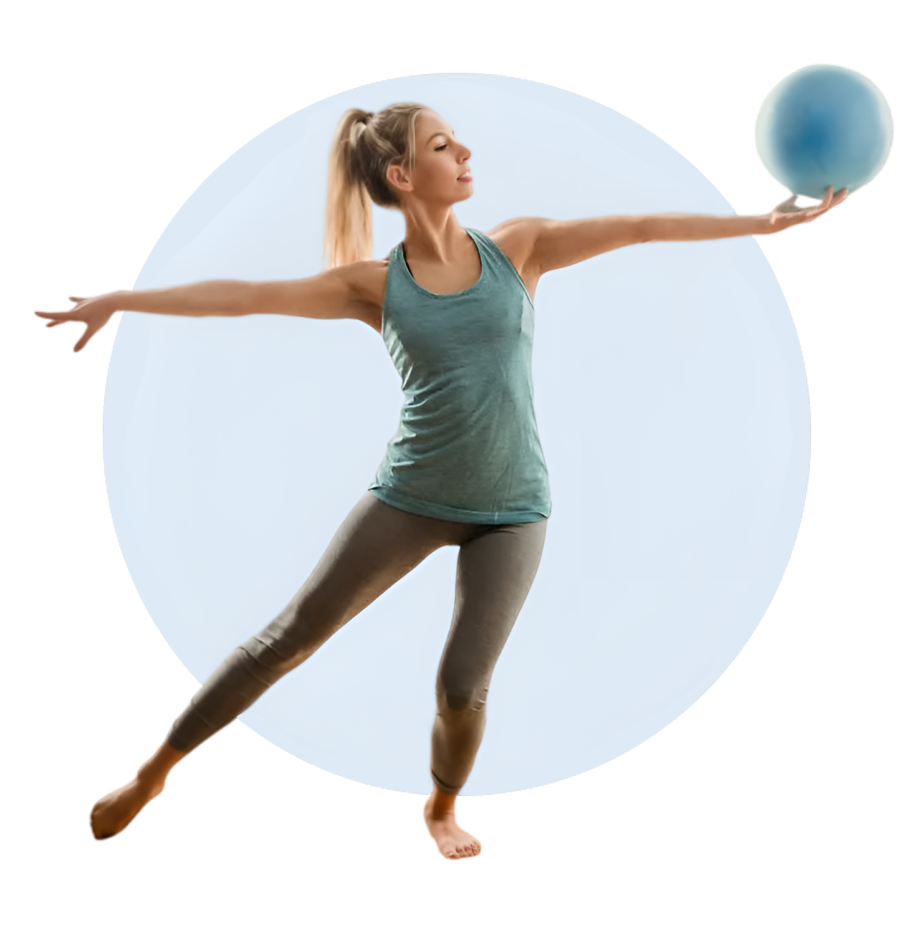
You don’t need a studio, a complicated workout plan, or hours of free time to enjoy the benefits of Pilates. With just 20 minutes and a little space at home, you can strengthen your core, improve your posture, wake up your muscles, and finish your workout feeling refreshed.
Whether you’re new to Pilates or already love your daily practice, this 20-minute Pilates workout at home is an easy routine to add to your week.
All you need is a comfortable surface and, if you like, a Pilates mat and a few simple accessories.
Why Try a 20-Minute Pilates Workout?
One of the best things about Pilates is that a short workout can still feel incredibly effective.
A focused 20-minute session can help you:
- Strengthen your core and stabilizing muscles
- Improve body awareness and control
- Support better posture
- Work your legs, glutes, arms, and abs
- Improve flexibility and mobility
- Take a mindful break from a busy day
The key is not simply moving quickly. Pilates is all about controlled, intentional movements and mindful breathing.
Your 20-Minute Pilates Workout at Home
Before you begin, make sure you have enough room to move comfortably. Perform each exercise slowly and with control. If you’re new to Pilates, focus on learning the movement rather than trying to complete as many repetitions as possible.
1. Pilates Breathing & Gentle Warm-Up — 2 Minutes
Start lying comfortably on your back with your knees bent and feet on the floor.
Place your hands around your ribcage. Inhale slowly through your nose, allowing your ribs to expand. Exhale gently while engaging your abdominal muscles.
Continue with a few gentle pelvic tilts:
- Inhale to prepare.
- Exhale and gently draw your abdominal muscles inward.
- Tilt your pelvis slightly to flatten your lower back toward the mat.
- Inhale as you release.
Repeat slowly for several breaths.
Focus: Relax your shoulders and connect your breathing with your movement.
2. The Hundred — 2 Minutes
Lie on your back with your knees bent. Bring your legs into a tabletop position if that feels comfortable.
Lift your head and shoulders gently and extend your arms forward. Begin making small, controlled pulses with your arms.
Breathe in for several counts and out for several counts, keeping your abdominal muscles engaged.
If the full version feels too challenging, keep your head and shoulders on the mat and your feet on the floor.
Focus: Keep the movement controlled rather than making the arm pulses large.
3. Glute Bridge — 2 Minutes
Lie on your back with your knees bent and feet hip-width apart.
Press your feet into the mat and slowly lift your hips toward the ceiling. Pause at the top, gently squeezing your glutes, then lower your spine back down one section at a time.
Repeat for about 10–12 repetitions.
For an extra challenge, hold your hips up and perform a few small pulses at the end.
Focus: Keep your ribs relaxed and avoid arching your lower back.
4. Single-Leg Stretch — 2 Minutes
Return to your back and bring your knees toward your chest.
Lift your head and shoulders if comfortable. Extend one leg forward while drawing the other knee toward you. Switch legs in a slow, controlled motion.
Alternate sides for approximately 10 repetitions per leg.
Focus: Keep your core engaged and avoid allowing your lower back to lift excessively from the mat.
5. Side-Lying Leg Lifts — 3 Minutes
Turn onto one side with your legs extended.
Support your head with your lower arm and place your upper hand in front of you for balance. Keeping your hips stacked, lift your top leg and lower it with control.
Complete 10–15 repetitions, then add small circles if you feel comfortable.
Switch sides and repeat.
Focus: Keep your hips stable. The goal is controlled movement, not lifting your leg as high as possible.
6. Swimming — 2 Minutes
Lie on your stomach with your legs extended behind you and your arms reaching forward.
Gently lift your opposite arm and leg, then alternate sides in a small, controlled swimming motion.
Keep your neck long and your gaze toward the mat.
If this feels too intense, lift one arm and the opposite leg at a time rather than alternating quickly.
Focus: Think about lengthening through your arms, legs, and spine.
7. Pilates Plank — 2 Minutes
Come into a plank position with your hands underneath your shoulders.
Engage your abdominal muscles and keep your body in one long line from your head to your heels.
Hold for 20–30 seconds, rest, and repeat.
You can modify the exercise by lowering your knees to the mat.
Focus: Keep your hips from dropping or lifting too high.
8. Spine Stretch & Cool-Down — 3 Minutes
Finish your workout with a gentle seated stretch.
Sit tall with your legs comfortably extended. Reach your arms forward and slowly round your spine, imagining that you are creating space between each vertebra.
Return to an upright position and repeat several times.
Finish with a few slow breaths, relaxing your shoulders and jaw.
Focus: Don’t force the stretch. Pilates is about creating length and control, not pushing into discomfort.
How to Make Your Home Pilates Workout More Effective
You can practice this routine with nothing more than a mat, but a few Pilates accessories can make your home workouts more varied and challenging.
Use a Pilates Mat
A supportive, non-slip mat can make floor exercises much more comfortable, particularly during movements that involve your spine, knees, or hands.
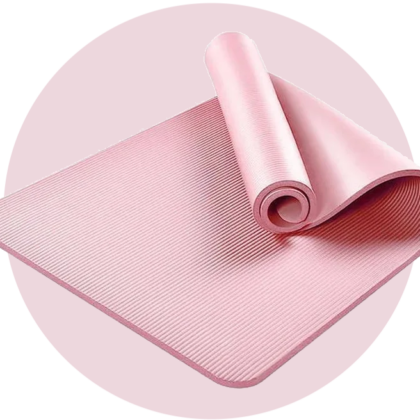
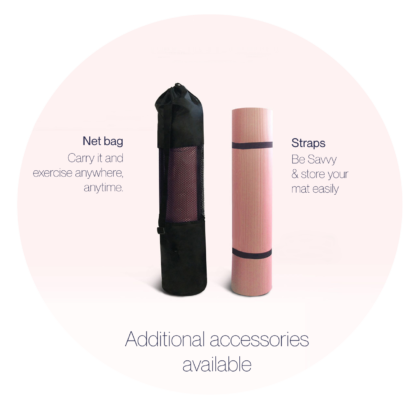
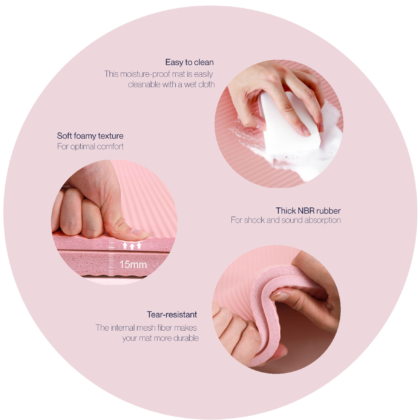
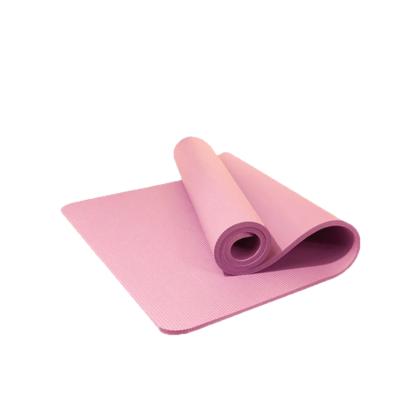
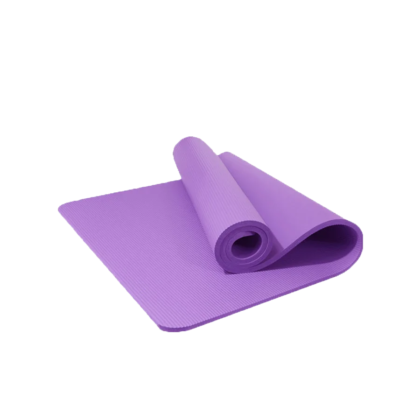
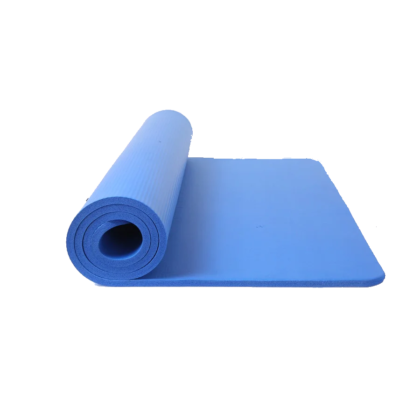
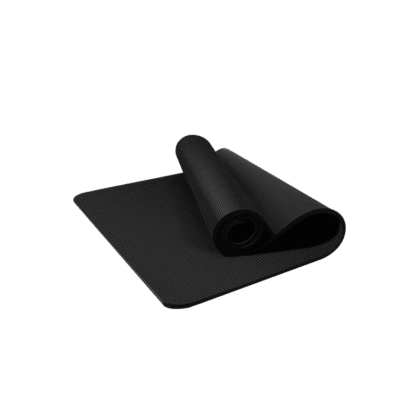
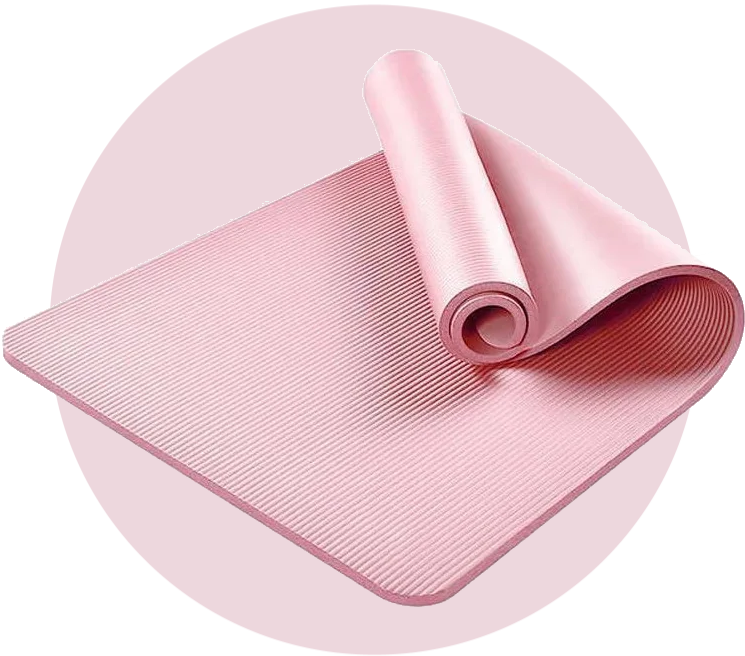
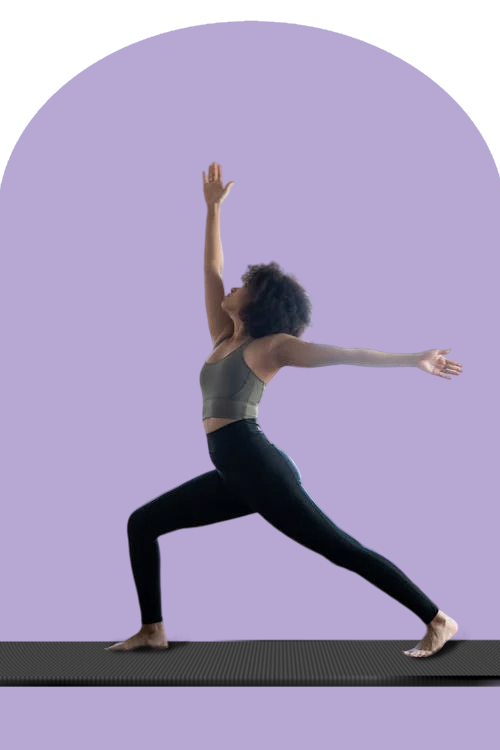
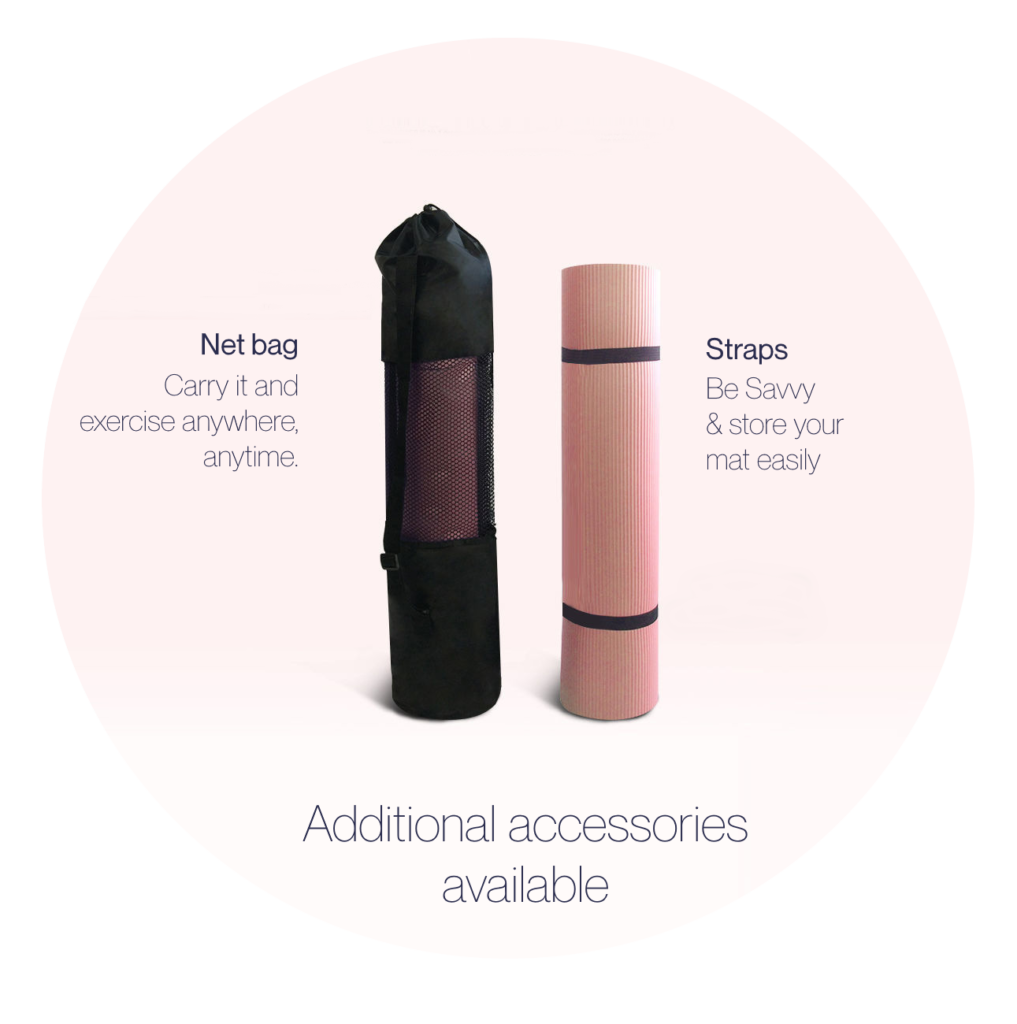
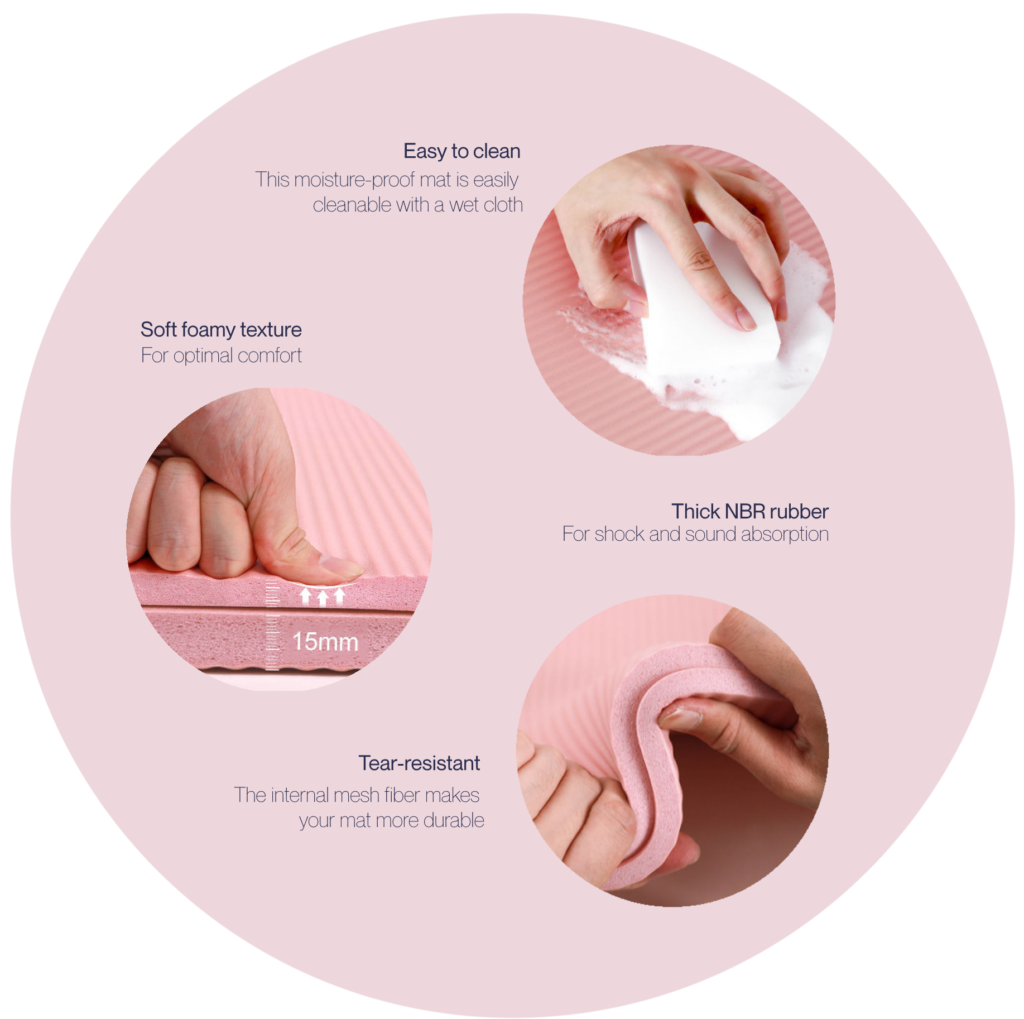
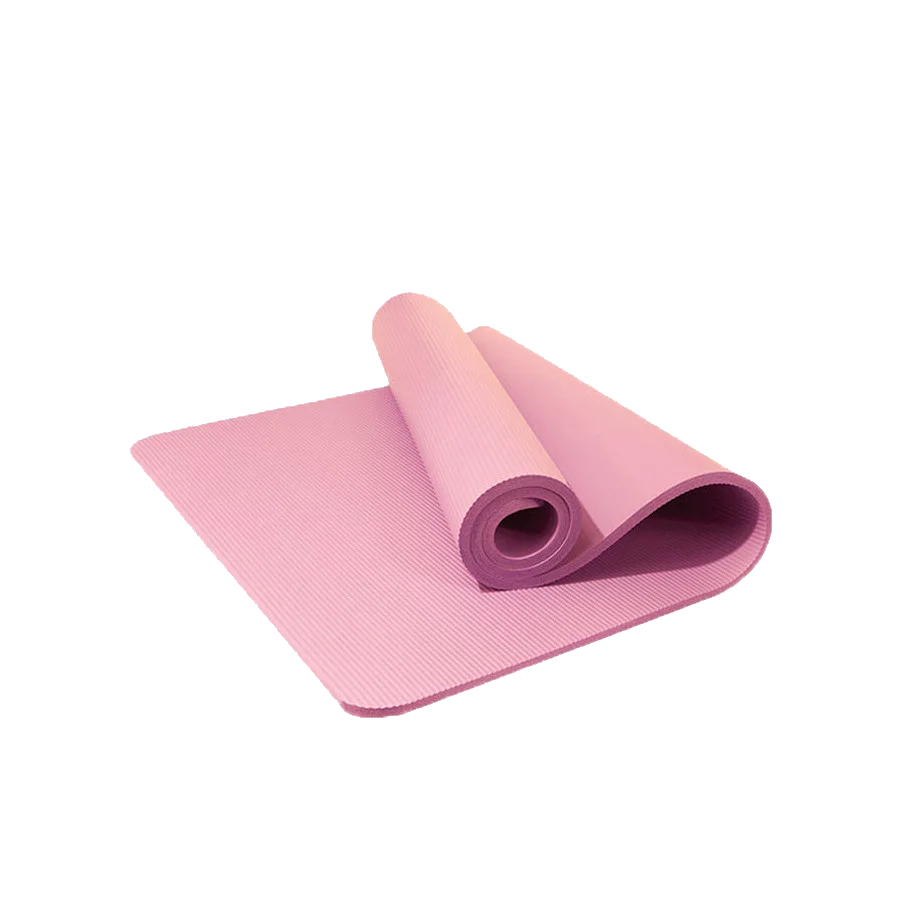
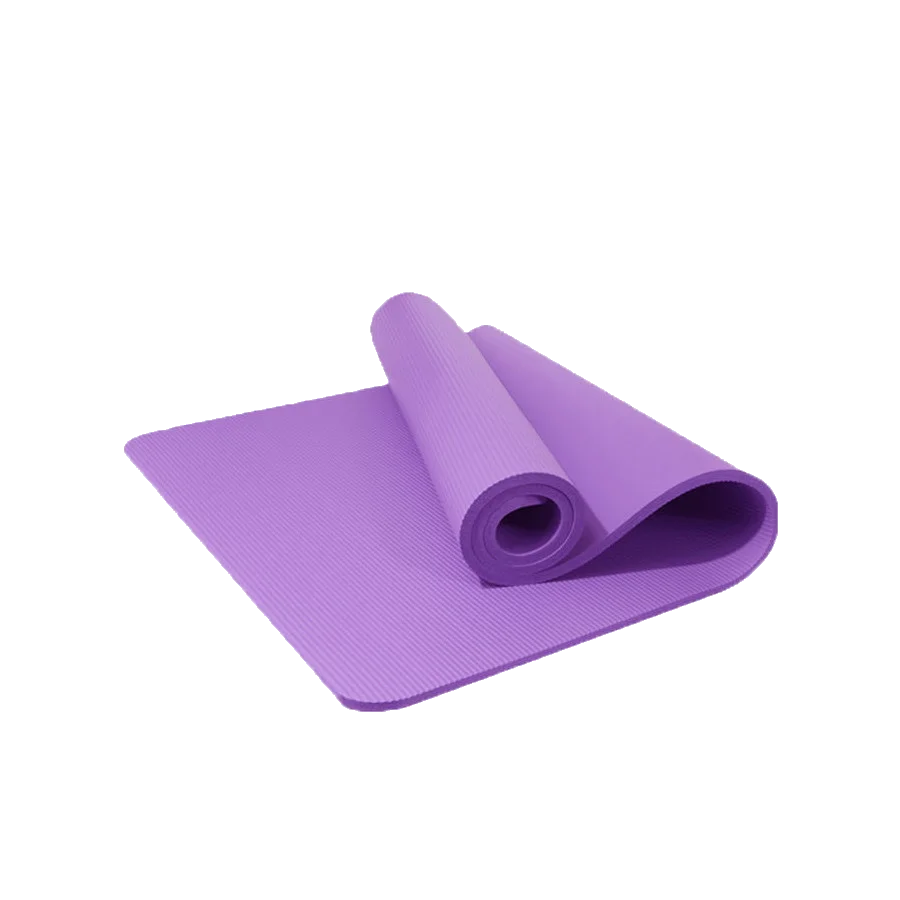
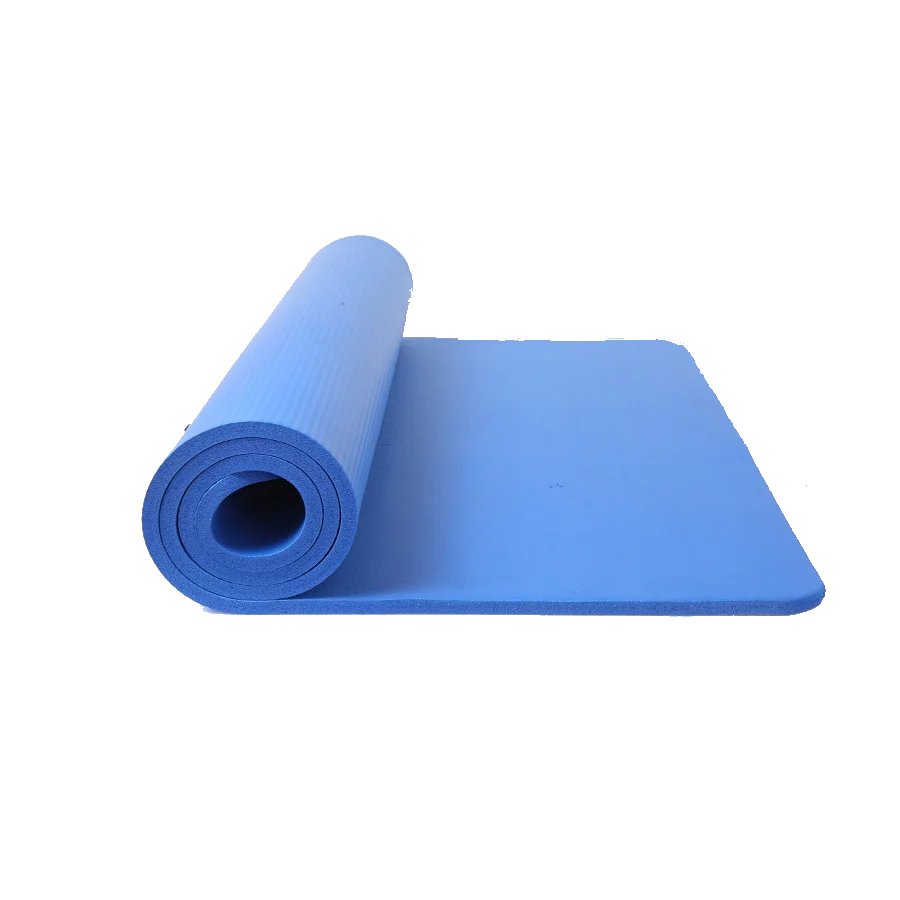
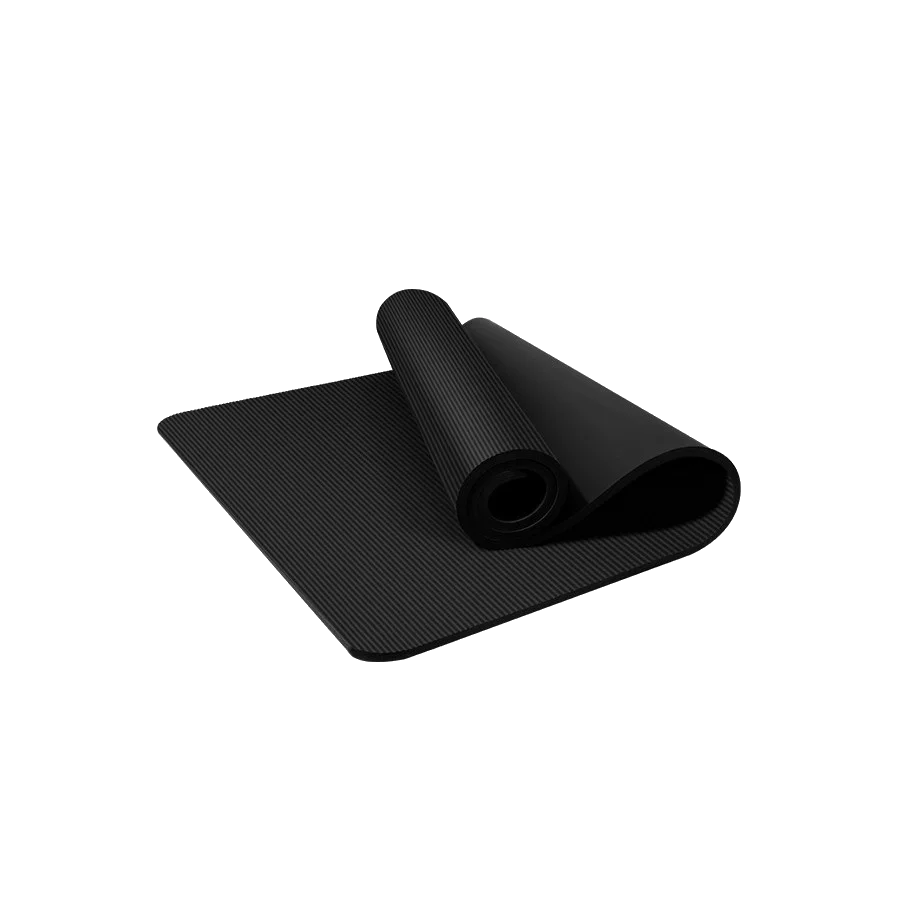
SavvyMat, quiet and non-slip
Flow freely with the SavvyMat, a thick, non-slip NBR fitness mat designed for yoga, Pilates, dance, and workouts, offering comfort, stability, and lasting durability.
Add a Pilates Resistance Band
A resistance band can increase the challenge during glute, leg, and arm exercises without taking up much space.
Try a Pilates Ball
A small Pilates ball can be used to add instability, improve body awareness, or make familiar exercises more challenging.
Keep Your Equipment Accessible
One of the simplest ways to stay consistent is to make your workout easy to start. Keep your mat and favorite Pilates accessories somewhere convenient so you can fit a quick session into your day.
How Often Should You Do Pilates?
Consistency matters more than the length of each individual workout.
For many people, 20-minute Pilates sessions several times a week can be an easy way to build a regular movement routine. You can also alternate shorter sessions with longer workouts depending on your schedule and fitness level.
Try not to worry about making every workout perfect. Twenty focused minutes is still twenty minutes of movement.
Your 20-Minute Pilates Checklist
Before your next session, remember:
- Find a comfortable, uncluttered space.
- Use a supportive Pilates mat.
- Start with a gentle warm-up.
- Move slowly and with control.
- Coordinate your breathing with your movements.
- Modify exercises when needed.
- Stop if you experience sharp or unusual pain.
- Finish with a few minutes of gentle stretching.
Ready to Roll Out Your Mat?
A great Pilates workout doesn’t have to take an hour. With 20 minutes, a little space, and the right mindset, you can create a simple home routine that works your whole body and fits into even a busy day.
The most important thing is to find a routine you enjoy and can return to consistently.
So roll out your mat, put on your favorite workout clothes, take a deep breath—and give yourself 20 minutes to move, strengthen, and reset.
Ready to upgrade your home Pilates routine? Explore our Pilates essentials at SavvyFine and create a workout space you’ll love coming back to.